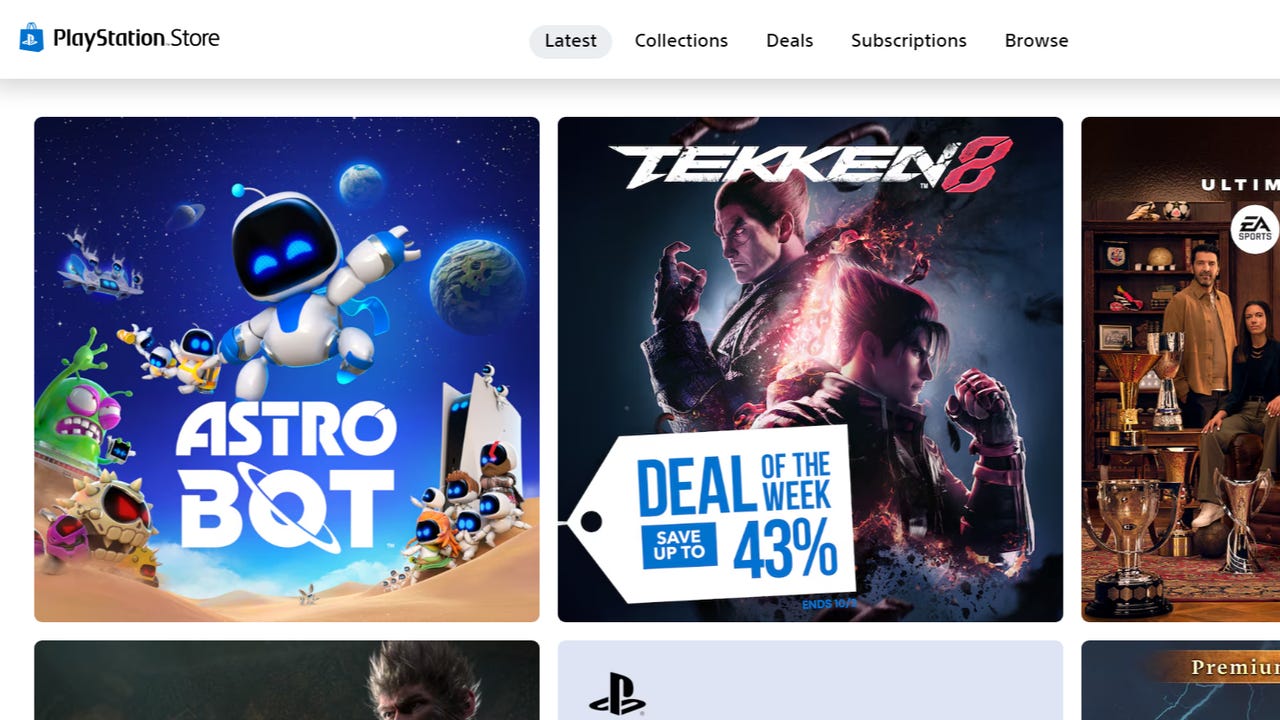
PlayStation Store Prices Jump Early in Brazil & Turkey, Sparking Fresh Outcry
In a move that has sent ripples of concern through the global gaming community, Sony has unexpectedly implemented significant price increases for games sold on the PlayStation Store in Brazil and Turkey. This decision arrives earlier than anticipated and impacts a broader range of titles than initially suggested, leaving many gamers in these regions frustrated and questioning the future of their hobby. The changes underscore a growing global trend in PlayStation Store pricing, where economic factors are increasingly influencing digital storefront costs.
This isn't the first time PlayStation users in these markets have faced rising expenses. Just months prior, Sony raised PlayStation Plus subscription costs across Brazil and several other Latin American countries, a move that was met with considerable backlash. Despite that previous wave of criticism, the company appears to be pushing ahead with further adjustments, signaling a clear strategy to adapt its digital marketplace to what it describes as "challenging market conditions."
The Unfolding Scenario: Early Hikes and Widespread Impact
Initially, Sony's Brazilian press team had indicated in May 2025 that any price adjustments would be limited to first-party titles and would coincide with the anticipated October launch of Ghost of Yotei. However, the reality has proven to be quite different. The price increases have materialized nearly three months ahead of schedule and, crucially, have extended beyond exclusive first-party games to include a significant number of third-party and non-exclusive titles as well. This broad sweep has caught many off guard, as it directly contradicts earlier communications and impacts a wider array of purchasing decisions.
The gaming industry has seen a general upward trajectory in game pricing in recent months, with many AAA titles now launching at $70 in major markets, and premium editions often pushing towards $80-$90. Concerns are growing that this trend could continue, with some next-gen console games potentially reaching an $80 standard price point. While this broader industry shift provides some context, the specific and sudden nature of these PlayStation Store pricing adjustments in Brazil and Turkey has highlighted the unique economic pressures facing gamers in these particular regions.
Even older, beloved PlayStation classics have not been spared. Players have noted that titles like 2020's Demon's Souls and 2014's Infamous Second Son have become more expensive, leading to a sense of unfairness. For many, it's difficult to justify a price hike on games that have been available for years and have likely already recouped their development costs. This aspect of the increase adds another layer of contention to an already sensitive issue.
A Deeper Look at Regional Impact: Brazil & Turkey
The direct financial burden on gamers in Brazil and Turkey is substantial, reflecting stark differences in purchasing power compared to major Western markets.
- Brazil: Exclusive AAA titles on PS5 and PS4 are now costing approximately 400 Brazilian Real (BRL), which translates to roughly $73 USD. This represents a significant portion of the average Brazilian gamer's disposable income, amounting to about 26% of Brazil's minimum wage. One particularly striking example is The Outer Worlds 2, which now has a pre-order price of 456 BRL (approximately $83 USD), making it one of the most expensive standard-edition titles in the region. This new PlayStation Store pricing structure places a heavy burden on players, forcing difficult choices about which games they can afford.
- Turkey: Similar frustrations have emerged from Turkish players, who describe the new PlayStation game prices as "ridiculously" expensive. First-party AAA titles are now selling for around 3,500 Turkish Liras, which converts to approximately $88 USD. To put this into perspective, this single game purchase now represents roughly 14% of Turkey's minimum wage. The economic reality in Turkey, marked by high inflation and currency fluctuations, means that such price points make digital entertainment increasingly inaccessible for a large segment of the population.
The impact of these increases goes beyond mere numbers; it touches upon the cultural significance of gaming in these regions. For many, video games offer an escape and a valuable form of entertainment. When the cost of entry becomes prohibitive, it effectively gates off access for a considerable portion of the player base, potentially stifling community growth and engagement.
Sony's Rationale vs. Gamer Frustration
In response to the growing concerns, Sony Interactive Entertainment has released an official statement. The company's press team cited "challenging market conditions, including fluctuating currency exchange rates" as the primary drivers behind the updated PlayStation Store pricing. They clarified that pricing decisions are region-specific and are intended to reflect the prevailing economic environment in each market. From a business perspective, such adjustments are often made to "maximise profitability" and ensure the long-term viability of their operations in various global markets.
However, this explanation has done little to assuage the frustrations of gamers. Many feel that the justification of "fluctuating currency exchange rates" doesn't fully account for the suddenness, scope, and magnitude of these increases, especially when older games are affected. The perception is that Sony is prioritizing profit margins over the affordability and accessibility of gaming for its loyal customer base in these regions. This tension between corporate profitability goals and gamer affordability is a common theme in the industry, but it has reached a boiling point in Brazil and Turkey.
The timing of these hikes, coming shortly after previous PS Plus price increases, only amplifies the sense of financial pressure. Players are left wondering how much more expensive their hobby will become and whether their devotion to the PlayStation ecosystem is being taken for granted. For a deeper dive into this dynamic, you can read more about Sony's PS Store Hikes: Profitability vs. Gamer Outcry.
Navigating the Rising Costs: Tips for Gamers
Given the current economic landscape and the evolving PlayStation Store pricing, gamers in affected regions must adopt strategic approaches to manage their spending. While the situation is undoubtedly challenging, there are still ways to enjoy PlayStation's offerings without breaking the bank:
- Leverage Sales and Discounts: The most straightforward advice is to wait for sales. PlayStation Store regularly hosts seasonal sales (e.g., Summer Sale, Black Friday, Holiday Sale) where titles can be heavily discounted. Add desired games to your wishlist to receive notifications when their prices drop.
- Consider Physical Copies: For some games, physical editions sold by third-party retailers might offer better value, especially shortly after launch or as prices fluctuate. Always compare digital and physical prices before making a purchase.
- Explore PS Plus Extra/Premium Catalogs: A PlayStation Plus Extra or Premium subscription provides access to a vast library of games, often including recent hits and beloved classics. Subscribing to these tiers can offer significant value, effectively giving you access to many titles for a single monthly or annual fee, rather than buying each one individually at inflated prices. This can be a smart way to experience a wide range of games.
- Be Patient: Older titles are almost guaranteed to see significant discounts over time. If a game isn't a day-one must-have, waiting a few months or even a year can result in substantial savings, especially now with revised PlayStation Store pricing.
- Research Regional Differences: While the PlayStation Store pricing is centralized, occasionally specific localized deals or bundles might emerge. Stay informed through local gaming communities and news outlets.
Making informed purchasing decisions is more critical than ever. Prioritize games you genuinely want to play, rather than impulsive buys, and always consider the long-term value against the current asking price.
The recent PlayStation Store price hikes in Brazil and Turkey serve as a stark reminder of the complex interplay between global economics, regional market conditions, and the digital entertainment industry. While Sony cites challenging market conditions and currency fluctuations as reasons for the adjustments, the impact on local gamers is significant, raising concerns about affordability and access. As the gaming landscape continues to evolve, the balance between maximizing profitability for publishers and ensuring an accessible, enjoyable experience for players in diverse economic environments will remain a critical challenge. For gamers in affected regions, adapting purchasing habits and leveraging available strategies will be key to continuing their passion in the face of these rising costs.